
The Science of Early Learning.
Your baby's brain is a supercomputer under development. These early years aren’t a warm-up — they’re when the brain is most open to experience, quietly building the foundations for language, attention, movement, memory, creativity, and emotional strength.
Inside that tiny head, millions of connections are forming through everyday moments — eye contact, play, movement, curiosity, and connection. What may look simple on the surface is actually the brain learning how to learn.
We translate that science into short, screen-free interactions parents can sustain at home—without tests, pressure, or comparison.
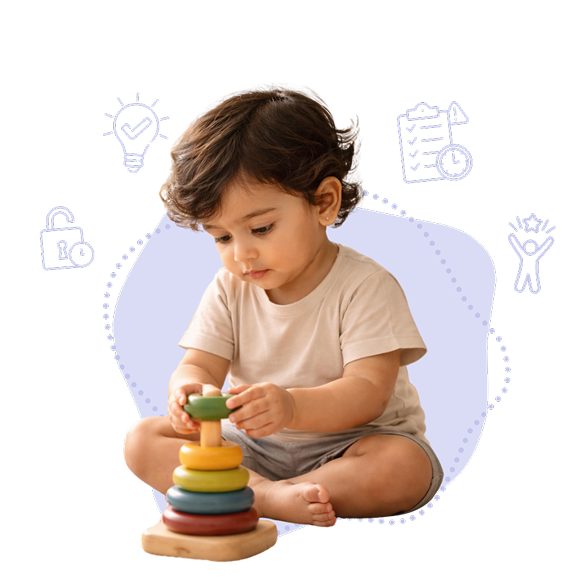
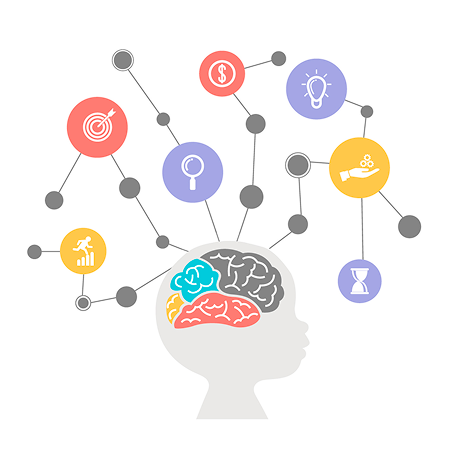
The brain becomes what it repeatedly experiences.
In early childhood, the brain is not simply growing — it is actively organizing itself. Through rapid synaptogenesis and ongoing neuroplasticity, everyday experiences shape how neural circuits form, strengthen, and refine. What is used repeatedly becomes more efficient through reinforcement and myelination, while unused pathways gradually fade through natural pruning. This isn’t philosophy — it’s the biological foundation of development.
What this means is simple: development isn’t driven by occasional intensity. It emerges from small, meaningful experiences that repeat consistently over time. These patterns gradually become the child’s default way of attending, moving, communicating, and responding to the world.
So when we talk about early learning, we’re not talking about pushing academics earlier. We’re talking about shaping the conditions that make later learning easier — strong sensory foundations, language-rich interaction, emotional regulation, coordination, attention, and confidence in exploration. Early development follows a bottom-up process: the brain builds its core systems first, and higher abilities grow on top of them.
Consistency beats intensity. Especially during the years when sensitive periods make the brain most receptive to experience →
3 Processes explain why early years matter
You don’t need a neuroscience textbook to benefit from neuroscience. You only need to understand three processes—because they explain almost everything parents observe in the early years.
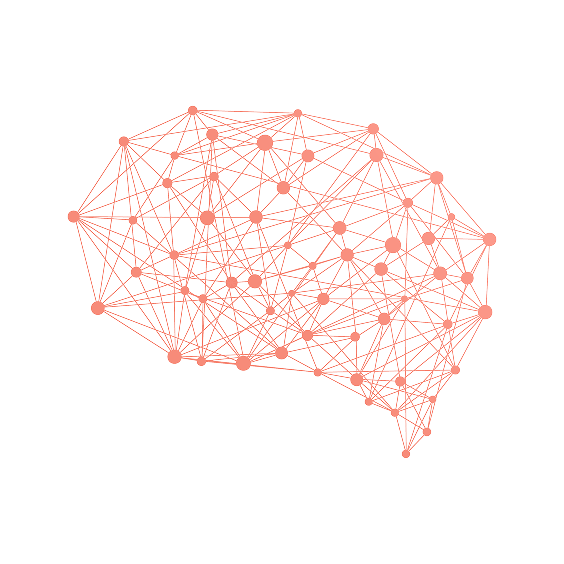
1. Connection Building
Synaptogenesis → brain's architecture
In the first years of life, the brain undergoes rapid synaptogenesis — forming millions of neural connections in response to experience. Babies aren’t passively growing; their brains are actively wiring through experience-dependent neuroplasticity. Eye contact, language, movement, and responsive back-and-forth interactions signal which pathways to build and strengthen.
This is bottom-up development in action: sensory and motor systems lay the groundwork long before higher thinking skills emerge. What looks like simple play is actually the brain mapping patterns — linking sound to meaning, motion to balance, and action to outcome.
What this means for parents:
You don’t need complex teaching. You need consistent, meaningful interactions that help the brain decide which connections are worth building.
2. Strengthen through use
Repeted experiences → stabilize pathways
Neuroscience follows a simple principle: neurons that fire together wire together. Repeated experiences strengthen synapses and increase myelination, allowing signals to travel faster and more efficiently. This is why children often show sudden leaps after many small repetitions — the brain has been quietly reinforcing the pathway all along.
As circuits stabilize, early attention, memory, and emotional regulation begin to emerge. Repetition doesn’t just build skill — it shapes neural efficiency, making learning feel smoother and more natural over time.
What this means for parents:
The goal isn’t early performance. It’s giving the brain enough meaningful repetition to turn effort into automatic ability.
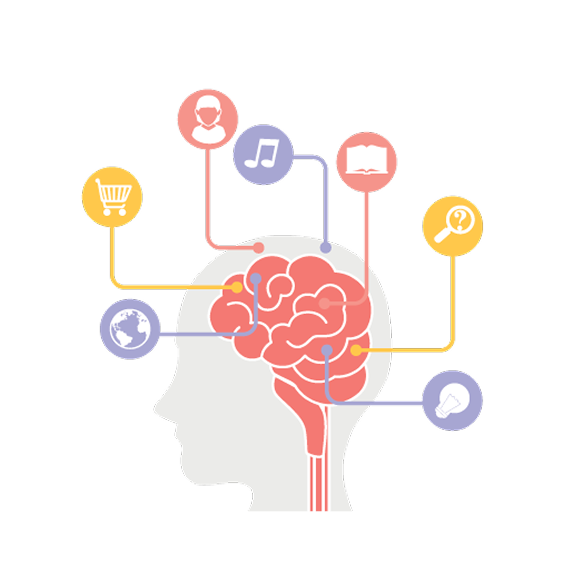
3. Refinement & Pruning
Pruning → eliminating connections
As development progresses, the brain refines its networks through synaptic pruning — strengthening frequently used neural pathways while eliminating those that aren’t activated. This process is guided by sensitive periods, windows when certain circuits are especially receptive to experience.
Pruning isn’t loss; it’s optimization. Early sensory, language, and emotional systems refine first, creating the foundation on which later executive functions — including the prefrontal cortex — gradually build. Consistent early experiences influence which pathways become lasting strengths.
What this means for parents:
Early doesn’t mean rushed — it means aligned with biology. Timely, positive experiences help the brain keep the connections that matter most.
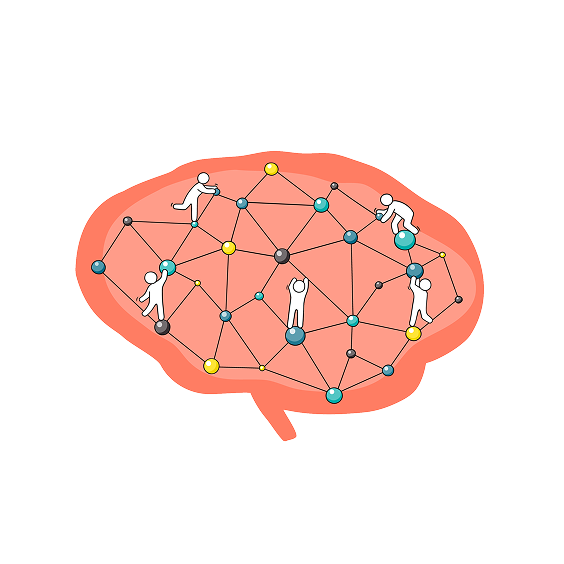
What neuroscience tell us about the early years
First, the young brain is highly plastic — not because it is fragile, but because it is actively organizing itself. During early development, rapid synaptogenesis allows experience to shape how neural circuits form. Language, movement, emotional regulation, attention, and memory are not skills added later — they are systems being wired from the beginning through experience-dependent neuroplasticity.
Second, development follows a principle of use, reinforcement, and refinement. Neural pathways that are activated repeatedly become faster and more efficient through strengthening and myelination, while less-used connections gradually weaken through synaptic pruning. This is not loss — it is how the brain becomes more precise, focused, and energy-efficient.
Third, timing matters. Early childhood includes sensitive periods — windows when certain circuits are especially receptive to input. Sensory processing, language foundations, coordination, and emotional regulation are shaped through bottom-up development long before higher executive functions fully mature. Learning remains possible later, but early experiences influence how effortless or effortful learning feels in the future.
You can think of early neuroplasticity like a dry sponge placed in water.
In the early years, the brain absorbs experience quickly — language, movement, emotional patterns, and ways of thinking. Over time, as connections stabilize and pruning begins, the brain becomes more efficient but less absorbent. Learning never stops, but early experiences tend to become the brain's default wiring and defined how naturally and effortlessly new skills take root later in life.
This is the neuroscience behind our design choices — not to push children faster, but to align experiences with how the brain naturally develops.
What the developing brain responds to the most

Parents often assume “more stimulation” is better. But the brain doesn’t reward "noise". It rewards meaningful, repeated patterns—especially when paired with safety and connection.
The four ingredients we design around:




How science turns into a calm weekly rhythm
Most parents don’t struggle because they lack love or intent. They struggle because early development is invisible. It’s hard to know what matters, what to do, and whether you’re doing enough.
That’s where structure helps—not rigid structure, but thoughtful guidance.

You don't need to be come a teacher. You just need a system that makes the right inputs easy to repeat.
What we mean by 'Prodigy' and 'Superstar'?
To us, Prodigy is not rare brilliance, and Superstar does not mean performance.
We believe that every child is born a prodigy, with extraordinary potential—not to outperform others, but to develop confidently and joyfully in their own way. A prodigy is not someone who is pushed ahead. It is someone whose natural capabilities are noticed early and nourished well. Similarly, every child is already a superstar to their parents and to the people who love them.
Our role is not to create achievement—but to protect curiosity, strengthen foundations, and support healthy development during the years when the brain is most open to experience. This is why our work is calm, play-based, screen-free, and pressure-free.
We don’t chase milestones. We build the conditions that allow each child to grow into themselves—at their own pace, with confidence.


Want the full model behind our approach?
If you’d like to see how these capabilities map into our full system—across physical readiness, communication, cognition, creativity, character, and perceptual/emotional awareness—
Explore the Prodigy Framework.